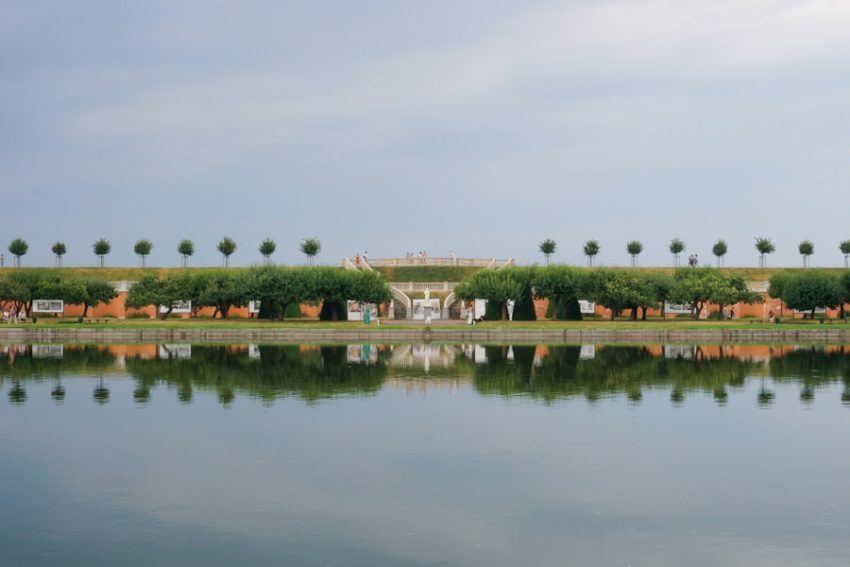
Water, the ubiquitous lifeblood of our planet, flows with an inherent rhythm, a ceaseless dance orchestrated by forces both terrestrial and celestial. This grand, ancient cadence is nowhere more evident than in the tides – the rhythmic rise and fall of ocean levels that have captivated humanity for millennia.
From the gentle lapping of waves on a sandy beach to the dramatic bore tides that surge inland, the tides represent a powerful manifestation of natural forces, intricately woven into the fabric of life on Earth.
Understanding this dynamic interplay is not merely an academic exercise; it offers profound insights into our planet’s delicate balance and our own often-overlooked connection to these fundamental rhythms.
The Influence of the Moon on Tides
The most significant driver of our planet’s oceanic tides is, unequivocally, the Moon. Its gravitational pull, though seemingly distant, exerts a profound and continuous influence on Earth’s vast water bodies. This celestial embrace creates bulges of water on both sides of our planet.
Gravitational Pull and Centrifugal Force
The Moon’s gravity pulls most strongly on the side of Earth closest to it, drawing the ocean waters towards it and creating a high tide. Simultaneously, on the opposite side of Earth, the gravitational pull is weakest.
This, combined with the centrifugal force generated by the Earth-Moon system rotating around their common center of mass, causes the water to bulge outwards, resulting in another high tide. In between these two bulges, the water recedes, creating low tides. It’s a delicate balance of forces, constantly shifting as the Earth rotates.
Spring and Neap Tides
The Sun, though much further away, also plays a role in modifying these lunar-driven tides. When the Sun, Moon, and Earth align, as during a new moon and a full moon, their gravitational forces combine to produce exceptionally high high tides and exceptionally low low tides.
These are known as spring tides, a term derived not from the season but from the ‘springing forth’ of the water. Conversely, when the Sun and Moon are at right angles to each other relative to Earth, during the first and third quarter moon phases, their gravitational pulls partially counteract each other.
This results in less extreme tidal ranges, called neap tides, characterized by lower high tides and higher low tides. These cyclical variations beautifully illustrate the complex gravitational choreography of our solar system.
The Science Behind Tidal Patterns
While the Moon and Sun are the primary drivers, a myriad of other factors contribute to the intricate and often localized patterns of tides across the globe. The predictability of tides, while generally robust, hides a fascinating array of contributing elements.
Earth’s Rotation and Topography
The Earth’s rotation, coupled with the inertia of the moving water, adds another layer of complexity. As the Earth spins, the tidal bulges are not stationary but effectively “chase” the Moon. However, this chase is hindered by the continents, which act as barriers, deflecting and refracting the tidal waves.
The depth and shape of ocean basins, coastlines, and even underwater mountain ranges significantly modify how tidal waves propagate and manifest along different shores. This explains why some regions experience semi-diurnal tides (two high and two low tides per day), others diurnal tides (one high and one low tide per day), and yet others mixed tides (a combination of both with varying heights).
Resonance and Amphidromic Points
Ocean basins can also exhibit resonance, where the natural period of oscillation of a body of water matches the tidal period, leading to amplified tidal ranges. The Bay of Fundy in Canada, famous for having the highest tides in the world, is a prime example of this phenomenon.
Furthermore, within large ocean basins, there exist “amphidromic points” – locations where the tidal range is almost zero. These points are like the eye of a storm, around which the tidal wave rotates, creating an intricate pattern of high and low tides radiating outwards. Understanding these scientific intricacies allows for accurate tidal predictions, crucial for navigation, fishing, and coastal management.
The Impact of Tides on Coastal Ecosystems
The ceaseless ebb and flow of tides are not merely a spectacle; they are a fundamental ecological process that shapes and sustains diverse coastal ecosystems, acting as a powerful biological and geological force. Sea Witch: Harnessing the Tides, Sea Witch Magic, and the Ocean’s Rhythms
Intertidal Zones: A World of Extremes
The intertidal zone, the area between high and low tide marks, is one of the most dynamic and challenging environments on Earth. Organisms living here must adapt to drastic changes in salinity, temperature, and exposure to air and sunlight.
However, this harsh environment also teems with life. Mudflats, salt marshes, and rocky shores develop unique communities of species, from resilient crustaceans and mollusks to specialized plants, all adapted to the rhythm of the tides.
Tides deliver nutrients, flush away waste products, and provide a means of dispersal for many marine species.
Nutrient Cycling and Sediment Transport
Tidal currents play a crucial role in the transport of sediments, organic matter, and nutrients both within estuaries and between coastal waters and the open ocean.
They help to circulate waters in enclosed bays and lagoons, preventing stagnation and maintaining water quality. This constant movement is vital for the productivity of coastal ecosystems, supporting vast nurseries for fish, shellfish, and migratory birds.
The geomorphology of coastlines is also continually sculpted by tidal forces, shaping beaches, eroding cliffs, and building up sand dunes and barrier islands over geological timescales.
Tidal Energy: Harnessing the Power of the Ocean
The immense, predictable power of the tides represents a vast, untapped source of renewable energy. As the world grapples with climate change and the need to transition away from fossil fuels, tidal energy offers a compelling, albeit challenging, solution.
Tidal Barrages and Turbines
One primary method of harnessing tidal energy involves constructing tidal barrages – large dams built across estuaries or bays that experience significant tidal ranges. As the tide comes in, water is impounded behind the barrage. When the tide recedes, the trapped water is released through turbines, generating electricity.
A more environmentally sensitive approach involves tidal stream generators, which are similar to underwater wind turbines. These devices are placed in powerful tidal currents, where the flowing water spins their blades to produce electricity.
They have a smaller footprint and less environmental impact compared to large barrages, making them an increasingly attractive option.
Challenges and Potential
Despite its promise, tidal energy development faces several hurdles. The construction of large tidal barrages can have significant ecological impacts on estuarine ecosystems, affecting fish migration and sediment dynamics.
Tidal stream turbines, while less intrusive, still require robust engineering to withstand harsh marine environments and present challenges for maintenance. The upfront capital costs for both technologies are substantial.
However, ongoing research and technological advancements are addressing these issues, striving to make tidal power more economically viable and environmentally sound. The sheer predictability of tides, unlike intermittent solar and wind power, offers a crucial advantage for grid stability.
The Role of Tides in Climate Change

While driven by celestial mechanics, tides are not immune to the profound alterations occurring on our planet due to climate change. The changing global climate is influencing tidal patterns in subtle yet significant ways, creating new challenges for coastal communities.
Sea Level Rise and Amplified Flooding
The most direct and impactful link between tides and climate change is through global sea level rise. As ocean waters warm and expand, and as glaciers and ice sheets melt, the baseline sea level is steadily increasing.
This means that high tides, which are already the highest points in the tidal cycle, are now reaching even further inland and higher up coastlines. Consequently, coastal flooding events, once rare occurrences, are becoming more frequent and severe, especially during spring tides or storm surges.
Coastal infrastructure, ecosystems, and human settlements are increasingly vulnerable to this amplified tidal flooding, leading to saltwater intrusion into freshwater sources and agricultural lands.
Altered Tidal Ranges and Dynamics
Beyond just higher water levels, climate change may also be subtly altering tidal ranges and dynamics themselves. Changes in ocean currents, warming water temperatures affecting water density, and even shifts in ocean basin topography due to tectonic activity or sediment deposition can influence how tidal waves propagate.
While these effects are complex and still being studied, it is conceivable that certain coastal areas might experience changes in the magnitude of their tidal ranges or the timing of their high and low tides. Monitoring these subtle shifts is crucial for accurate coastal planning and adaptation strategies in a warming world.
Cultural and Spiritual Significance of Tides
Beyond their scientific and ecological importance, tides have profoundly influenced human culture, inspiring myths, shaping traditions, and serving as powerful metaphors for life’s cyclical nature.
Ancient Lore and Modern Metaphors
From ancient mariners who relied on tidal knowledge for safe passage to coastal communities whose daily lives were dictated by the ebb and flow, tides have forever been intertwined with human experience.
Many cultures associate the tides with the feminine principle, the emotions, and the subconscious, reflecting the Moon’s influence. The cyclical nature of tides has also provided a potent metaphor for life’s inevitable changes – growth and decay, arrival and departure, sorrow and joy.
Philosophers and poets have long drawn parallels between the ocean’s shifting waters and the fluctuating fortunes of human existence.
Rites, Rituals, and Connection
Coastal societies have often integrated tidal rhythms into their spiritual practices, conducting rituals at specific tidal phases or venerating deities associated with the sea and Moon. The power and mystery of the incoming tide, bringing both sustenance and potential danger, instilled a sense of awe and respect.
Even today, the tranquil beauty of a low tide revealing hidden treasures or the dramatic power of a storm surge during high tide continues to evoke deep emotional responses, reminding us of nature’s majesty and our profound connection to the elemental forces that shape our world.
Adapting to Changing Tidal Patterns: Resilience and Innovation
As climate change accelerates and its impacts on tidal patterns become more pronounced, coastal communities globally face an urgent need to adapt. This demands a combination of proactive planning, innovative solutions, and a deep understanding of dynamic coastal processes.
Soft and Hard Engineering Approaches
Adaptation strategies span a spectrum from “hard” engineering solutions to “soft,” nature-based approaches. Hard engineering includes constructing sea walls, dikes, and surge barriers to protect against increased tidal flooding and storm surges.
While effective in the short term, these can be expensive, have ecological drawbacks, and may not be sustainable in the face of rapidly rising sea levels. Soft engineering, conversely, focuses on restoring natural coastal defenses.
This involves planting mangroves, salt marshes, and seagrass beds, which can dissipate wave energy, trap sediment, and elevate land over time, providing more resilient and ecologically beneficial protection. Hybrid approaches, integrating both methods, are often the most effective.
Relocation and Community Engagement
In some highly vulnerable areas, especially low-lying islands, the ultimate adaptation may involve managed retreat or even relocation of communities away from the coast. This is a monumentally challenging and emotionally charged decision, requiring careful planning, community engagement, and international support.
Furthermore, developing robust early warning systems for tidal flooding, enacting stricter building codes in coastal zones, and educating communities about tidal risks are crucial non-structural adaptation measures.
The challenge of adapting to changing tidal patterns is a testament to the interconnectedness of our planet and humanity’s ability to innovate and respond to the powerful rhythms of nature.
Nature's Power
Working with the Five Elements
Transform Your Life · Mind · Body · Spirit
Welcome back, seeker 🌸
The five elements — Fire, Water, Earth, Air, and Ether — hold the keys to inner transformation. Begin today's practice.
🌿 Day 3 StreakDaily Element Meditation FREE
5-minute guided meditation aligned to today's dominant element energy.
Affirmation Generator FREE
Receive a daily power affirmation rooted in elemental wisdom.
Element Journal FREE
Reflect on your elemental balance with guided journal prompts.
Breathing Exercises FREE
Air element breathwork to clear the mind and expand awareness.
Element Progress Tracker FREE
Track your balance across all five elements over time.
Balance tracker — this week
Earth element · Grounding
4-7-8 Air Element Breath
Inhale 4 counts · Hold 7 counts · Exhale 8 counts. Repeat 4 cycles for clarity and calm.
Your reflection
Water Element · Yesterday
Explored emotional flow and what I need to release. Feeling lighter...
✨ Unlock the Full Journey
The complete Nature's Power guide takes you deeper into every element with rituals, ceremonies and transformation practices.
200+ pages of elemental wisdom
Full rituals, practices and ceremonies for all five elements.
Moon cycle practices
Align your elemental work with lunar phases for amplified results.
Plant & crystal allies
Earth element correspondences to deepen your connection.
30+ guided practices
From fire ceremonies to ocean meditations and air breathwork.